A study session usually falls apart in the first ten minutes, not the last. You open the book, pick a song, change the song, check one message and half an hour is gone. The fix is deciding the boring details before you start: what you’ll work on, how long each block lasts and what plays in your ears.
This setup works for exam prep, essays or any deep work at a desk. You need a timer, a short playlist and one sheet of paper, all free here.
What you’ll need
- A countdown timer. The Online Stopwatch & Timer has one-tap presets for 5, 10, 25 and 60 minutes, beeps when time is up and keeps counting accurately in a background tab, with the remaining time shown in the tab title.
- Headphones or a speaker you can keep quiet.
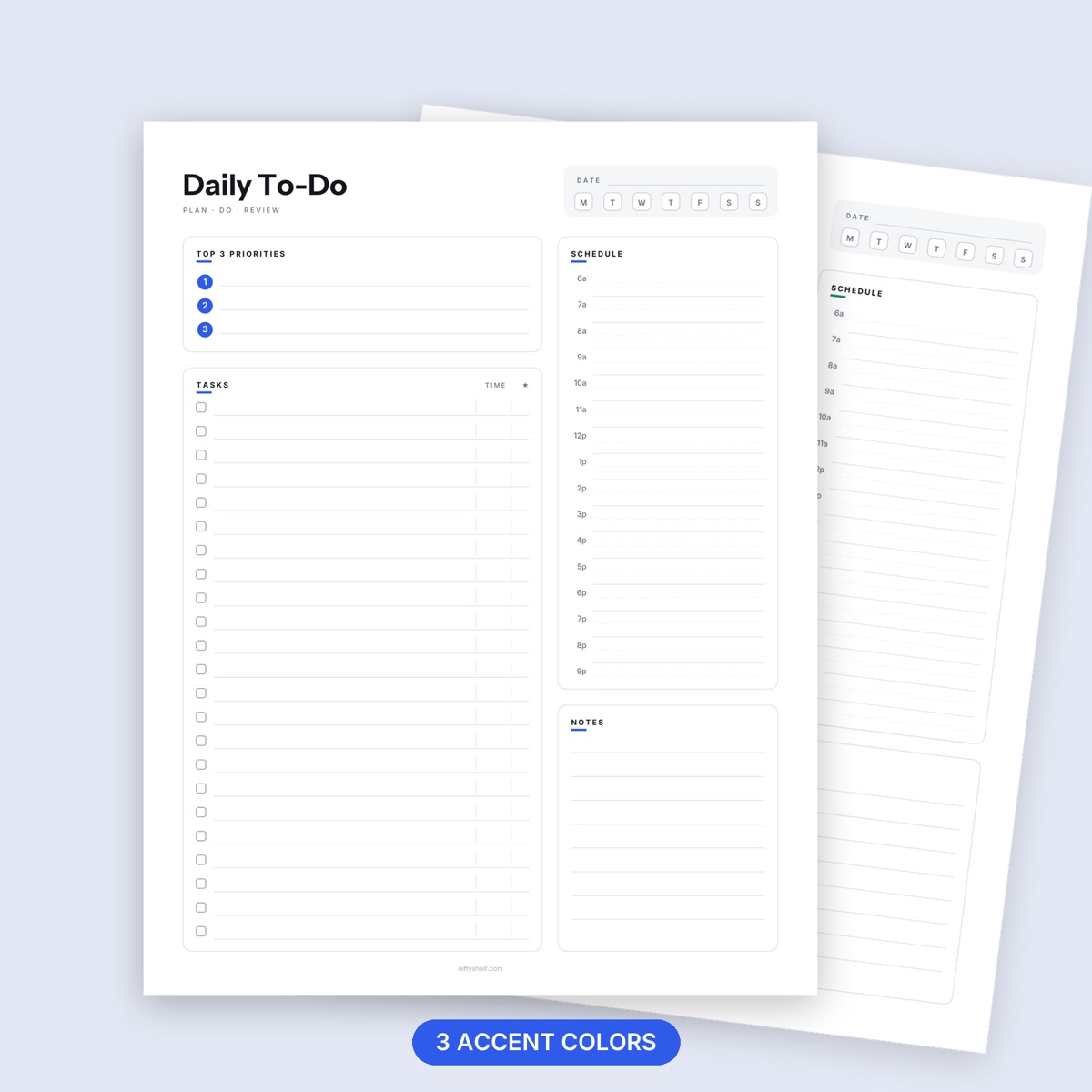
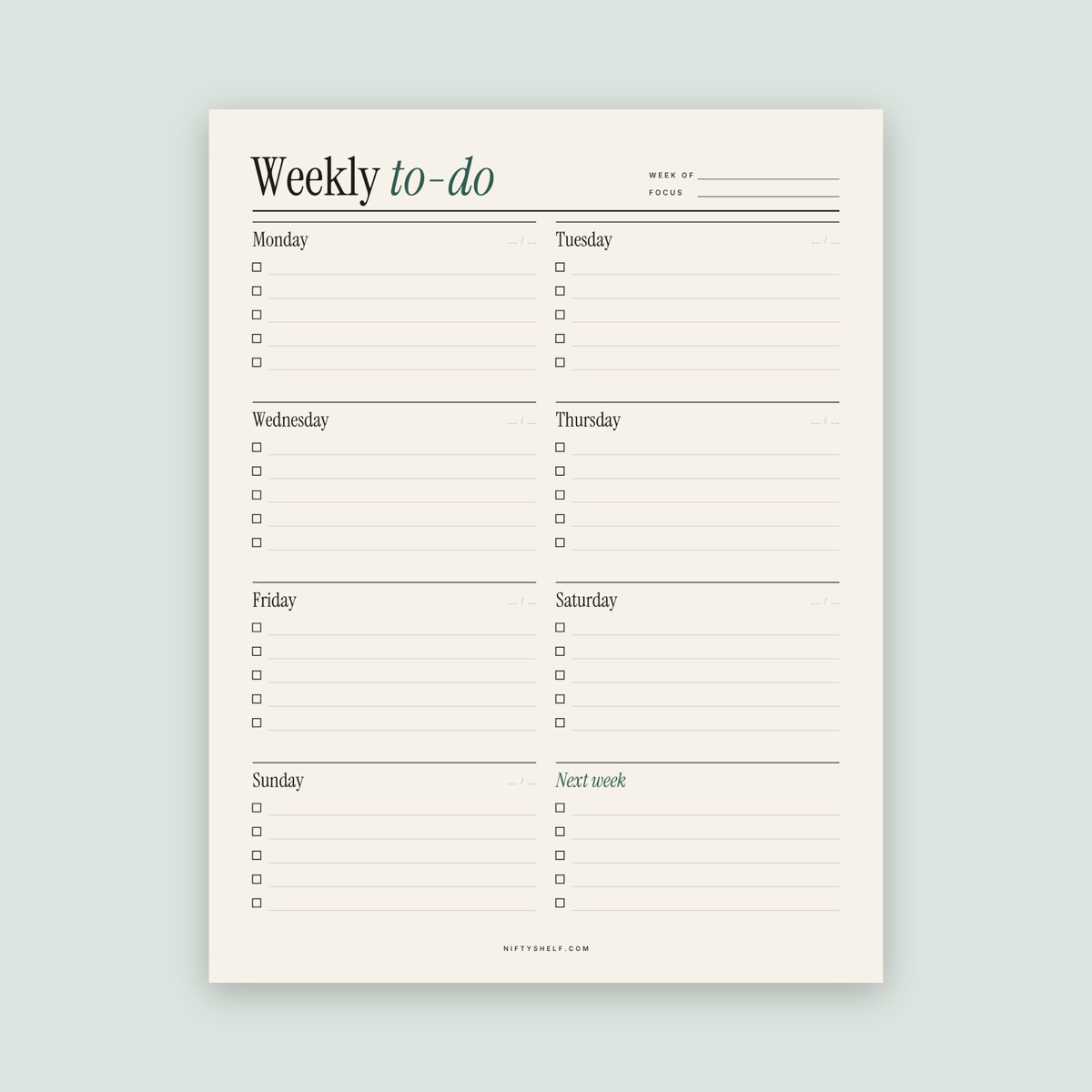
- A planning sheet, such as the Daily To-Do List with Schedule or the Weekly To-Do List.
- A playlist of instrumental tracks, which we’ll build below.
1. Plan the session on paper first
Before you press start, write down what “done” looks like. “Study biology” is not a task; “Read pages 40–52 and write five summary questions” is.
The Daily To-Do List with Schedule works well for this: put the session’s main goal in the top 3 priorities box, then block the time in the hourly schedule so it can’t quietly disappear into the afternoon. If you prefer a calmer page, the Things To Do editorial list has three priorities and a “for tomorrow” column, which is the perfect place to park ideas that pop up mid-session.
Split the goal into pieces that fit one block each, with something you can tick at the end. If you aren’t sure which task deserves the first block, sort your list on the Priority Matrix To-Do List and start in the “do first” box.
2. Pick a block length: 25/5 or 50/10
Two rhythms are common. Neither is magic; they are just easy to remember and set.
| Pattern | How it runs | Good for |
|---|---|---|
| 25/5 | 25 minutes of focus, 5 minutes of break, repeat four times | Starting when you don’t feel like it, memorizing, tired days |
| 50/10 | 50 minutes of focus, 10 minutes of break, repeat twice | Reading long chapters, writing, problems that take time to load into your head |
Both fit neatly into two hours. If you’ve never worked in blocks, start with 25/5: it feels short enough that you’ll actually begin, and the timer presets make it two taps. Move to 50/10 when the alarm keeps interrupting you right when things get interesting. For 50 minutes, type 50 into the minutes field.
Whatever you choose, the timer decides when the break starts, not your mood. When the alarm goes off, finish your sentence, mark where you stopped and stand up.
3. Match the music to the task
The music should sit behind the work, not compete with it. Two simple rules cover most sessions:
- Reading, writing and anything with words: choose instrumental music with no lyrics and few sudden changes. Slow piano, solo guitar and soft jazz trios are safe choices.
- Repetitive tasks such as flashcards, practice problems, tidying notes or data entry: something more upbeat with a steady beat can keep you moving. Lo-fi grooves and jazzy hip-hop beats are good here.
Every track in our music library is instrumental, so the question is energy. Here are tracks from our study music that work well, and why:
For reading and writing:
- Felt Piano Letters (70 BPM, 2:58): a soft felt-piano melody with warm cello. The slowest and gentlest of the set, good for dense reading.
- Archtop Evening (80 BPM, 3:13): a solo jazz guitar ballad with an unhurried pulse. One instrument means very little to distract you.
- Late October Trio (3:00): an easygoing piano trio with brushed drums. It moves along, but nothing jumps out.
- Last Call Trio (85 BPM, 3:36): soft brushes, walking bass and a tender piano line. The longest track here, so fewer transitions.
For practice problems and repetitive work:
- Head-Nodding Swing (90 BPM, 2:32): jazzy boom bap with chopped piano. Steady enough to set a working pace.
- Sunlit Sprite Town (96 BPM, 2:41): a warm lo-fi groove with marimba and kalimba, cheerful without being loud.
- Lazy Sprite Sunday (96 BPM, 2:08): the same sunny pixel-game feel with soft swung drums. It pairs naturally with the track above.
- Clever Clockwork (112 BPM, 1:40): a playful puzzle-game tune with walking bass. Short and bouncy, good for a final push.
For breaks:
- Manhã de Domingo (3:18) and Golden Hour Bossa (2:30): breezy bossa nova that sounds clearly different from the study tracks, so your ears know it’s break time.
4. Set the volume low
Turn the music down until you could easily talk over it. If you find yourself following the melody, it’s too loud. Test it on one paragraph: if you have to reread it, lower the volume or switch to a calmer track.
Before the session, set the timer to 1 minute, start the music and check you can hear the beep. On phones, keep the screen on and the page open, because some browsers pause sound on locked screens.
5. Build a 2-hour session playlist
You don’t need two hours of different songs. A short repeating loop is better, because familiar music fades into the background. Here is a 50/10 session built from the tracks above:
| Time | Block | Playlist on loop |
|---|---|---|
| 0:00–0:50 | Focus 1: reading or writing | Felt Piano Letters, Archtop Evening, Late October Trio, Last Call Trio (about 12:47, plays roughly four times) |
| 0:50–1:00 | Break | Manhã de Domingo, Golden Hour Bossa (about 5:48) |
| 1:00–1:50 | Focus 2: practice or review | Head-Nodding Swing, Sunlit Sprite Town, Lazy Sprite Sunday, Clever Clockwork (about 9:01, plays five to six times) |
| 1:50–2:00 | Break and wrap-up | Bossa tracks again, or silence |
For 25/5, use the same loops: reading tracks for the first two blocks, upbeat tracks for the last two. Put the heavy thinking first, while you’re fresh, and the mechanical work later. Let the timer run the session, not the playlist; tracks will end mid-block, and that’s fine.
6. Use the breaks properly
A break is for your body and eyes, not another screen. Stand up, refill your water, stretch. Avoid messages: a five-minute break that starts with one rarely ends after five minutes.
Before the next block, tick what you finished on your sheet. If an idea or worry came up, write it in the “for tomorrow” column instead of acting on it.
7. Take notes and check your writing
For lectures and textbooks, the Cornell Notes Template fits block-based study nicely: take notes during a focus block, then use part of the break or the final block to fill in the cue column and the summary box. You can print the Cornell sheet and your daily to-do list as one file with Merge PDF.
If the session is for an essay, paste your draft into the Word Counter at the end of each writing block. Besides words and characters, it shows reading time and your most repeated keywords, a quick way to spot a word you lean on too often. Noting the count after each block also shows what one block really produces.
8. Study with friends online
Studying together on a video call works surprisingly well: cameras on, microphones muted, everyone on their own work. Agree on the rhythm first, let one person run the timer and use the breaks for a quick check-in.
If your group lives in different time zones, the World Clock shows your time, UTC and major cities on one page. Open a city card for overlapping hours and the time converter, and always post the start time with its time zone.
9. Review the week in ten minutes
Once a week, look back at your planning sheets. The Weekly To-Do List has a weekly focus line and a “next week” box for exactly this. Ask yourself:
- How many sessions did I actually run, and which days did they happen?
- Which block length felt right, and when did the alarm feel too early or too late?
- Which playlist helped, and which tracks did I keep skipping?
- What is one change for next week?
If you want the sessions themselves to become a routine, our guide on a habit tracker that sticks shows how to track them without the sheet dying in week two.
Common mistakes
- Starting the timer without a written goal, then spending the block deciding what to do
- Spending the first ten minutes choosing music instead of preparing the playlist the night before
- Playing music so loud you follow the melody instead of the text
- Skipping breaks when things go well, then crashing an hour later
- Using breaks for messages and social feeds, which stretch five minutes into twenty
- Changing the block length every day before giving one rhythm a full week
FAQ
Is 25/5 or 50/10 better?
Neither in general. Shorter blocks make starting easier; longer blocks suit reading and writing, where getting into the material takes a while. Try each for a week and compare in your weekly review.
Should I study in silence instead?
If music distracts you, yes. Some people read in silence and use music only for repetitive tasks, or switch it off for the hardest pages.
Can I use these tracks in my study-with-me videos or streams?
Our music is free to use in videos, including monetized ones. Check the license for the details before you publish.
Does the timer keep working if I switch tabs?
Yes. It measures time from your device clock, so it stays accurate in a background tab, and the remaining time shows in the tab title. On a phone, keep the screen on so the alarm can play.